
From 0 to 100: how a passing thought became a month-long journey
Works, Exhibitions & Projects Written by André Wagner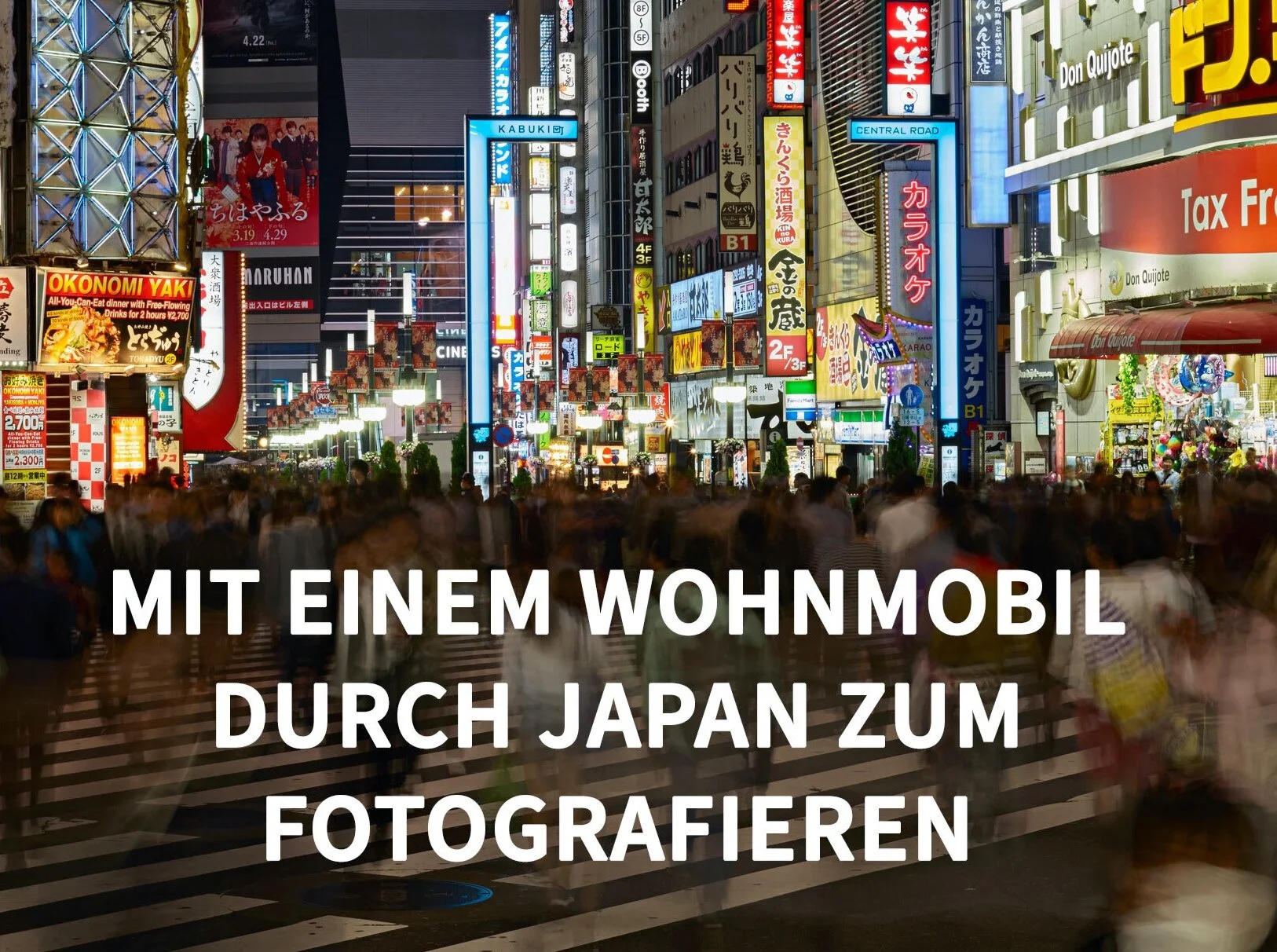
A guest post by my assistant and friend Tilo Seidel
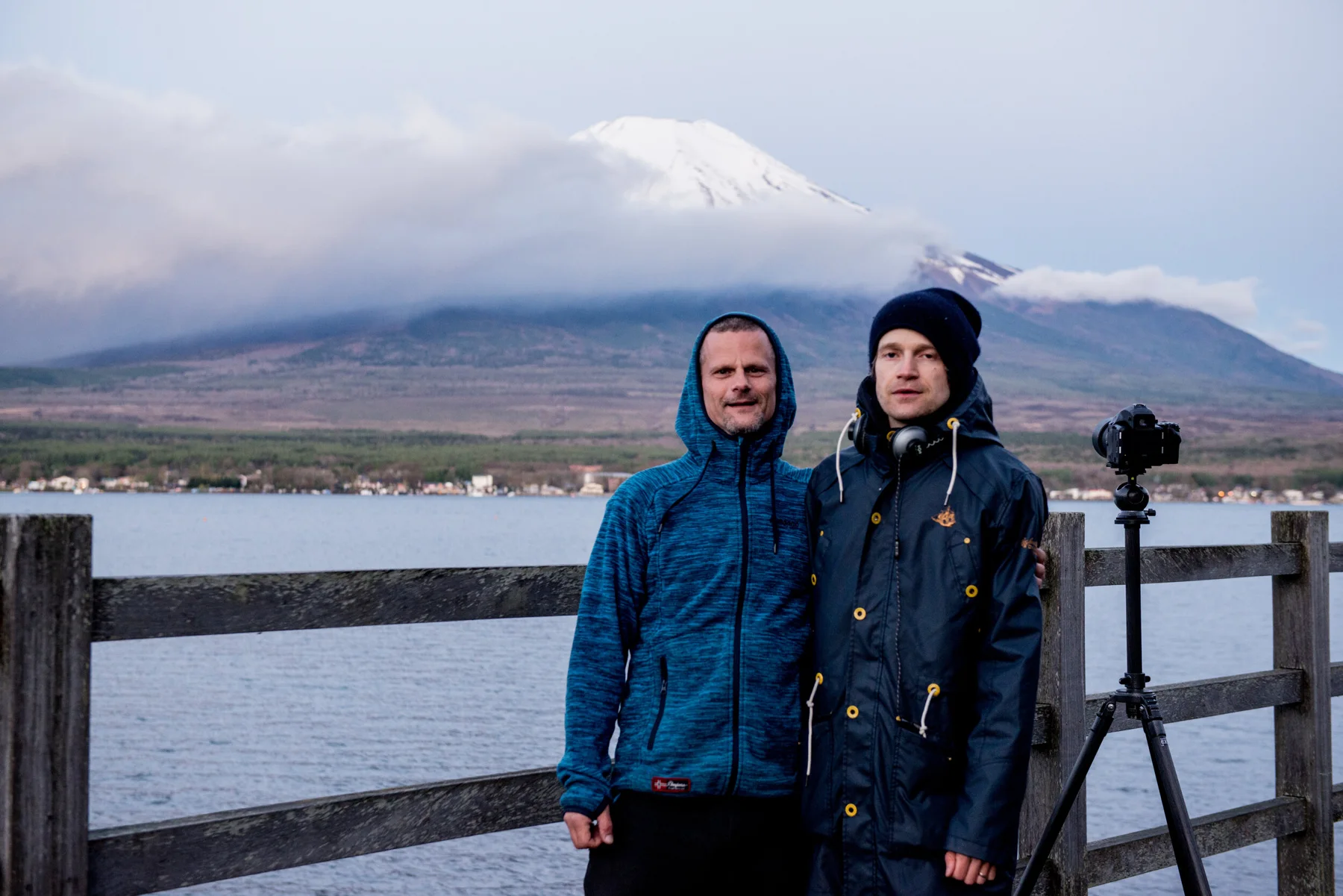
Two Saxons on Mt. Fuji
A guest contribution by Tilo Seidel
If you feel like looking over my shoulder a bit at work, here is a short summary with impressions from Japan.
photography: André Wagner; music: TOL (tolsound.de); video: Tilo Seidel (tolpix.de); photo assistant: Tilo Seidel www.andrewagner.com Catalogue storeWhen André called me again at the beginning of April and asked me what I was doing and if I had the time and desire to come to Japan spontaneously, I thought: “Yes, but like now? Next week already?”
A week and a half later, we flew off in Berlin-Tegel. With our slightly oversized luggage (4 cameras, flash systems, etc. – you can get to 80 kg) it took some persuasion at the check-in to get the slightly “larger” hand luggage on board.
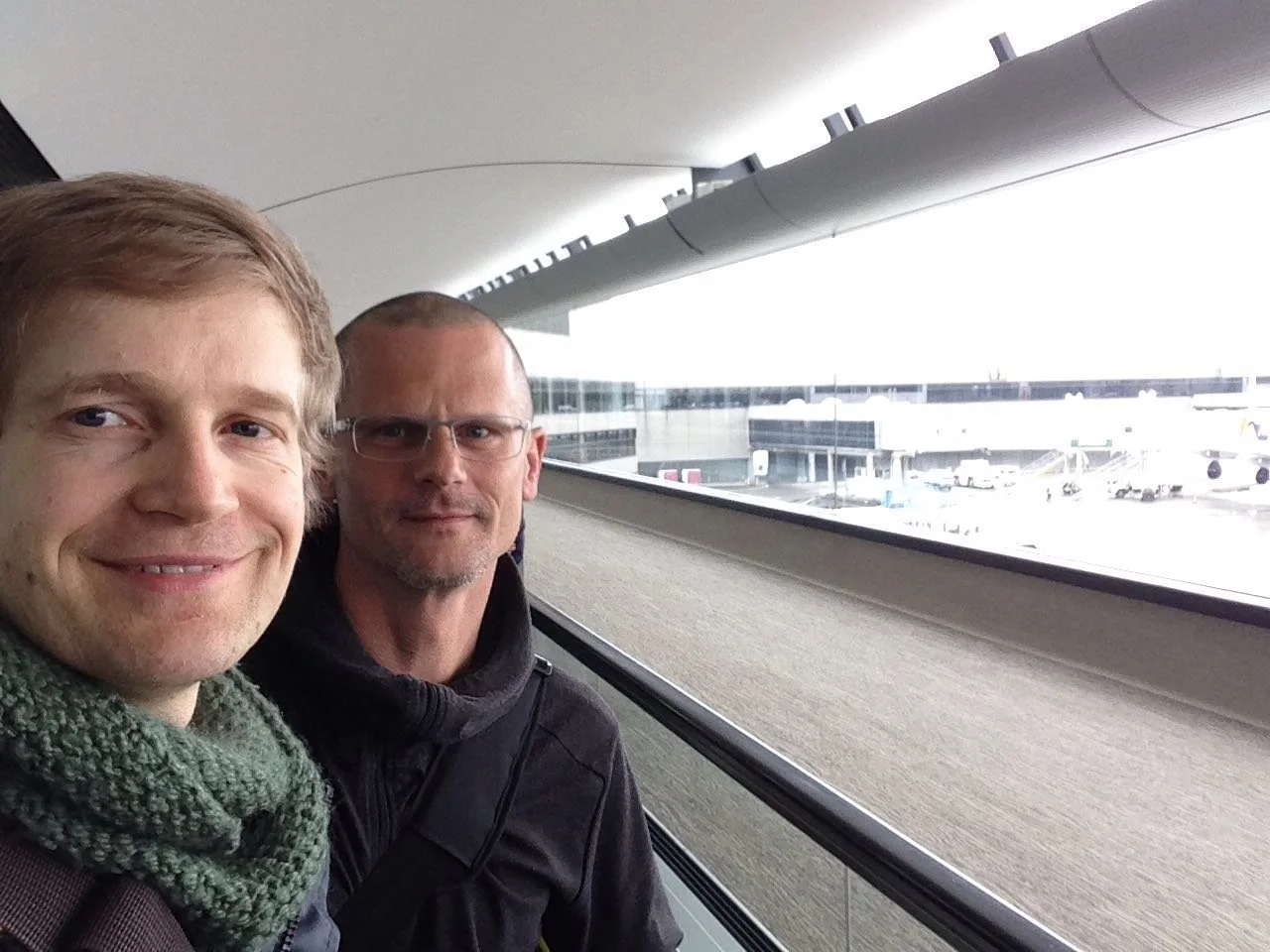
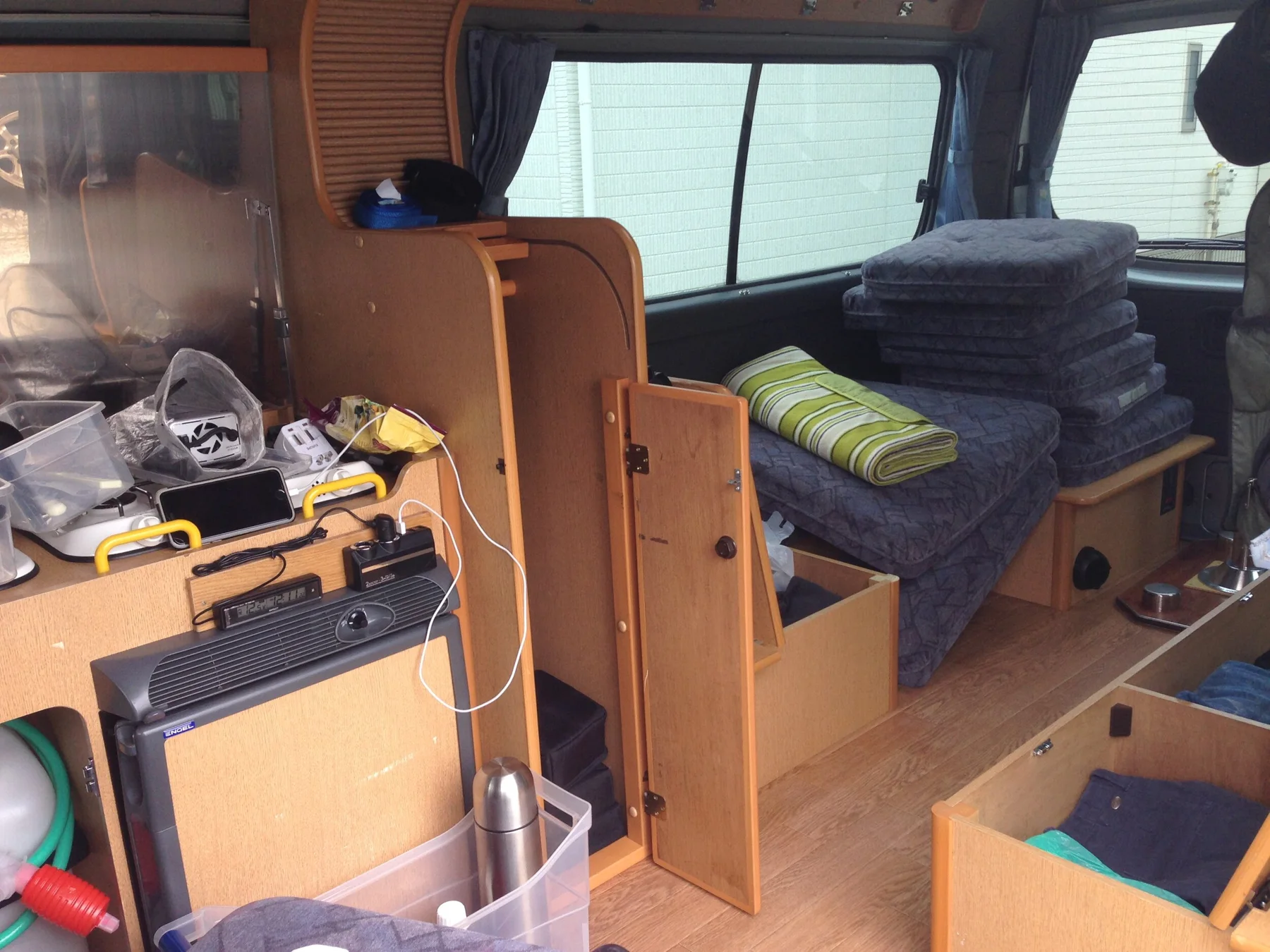
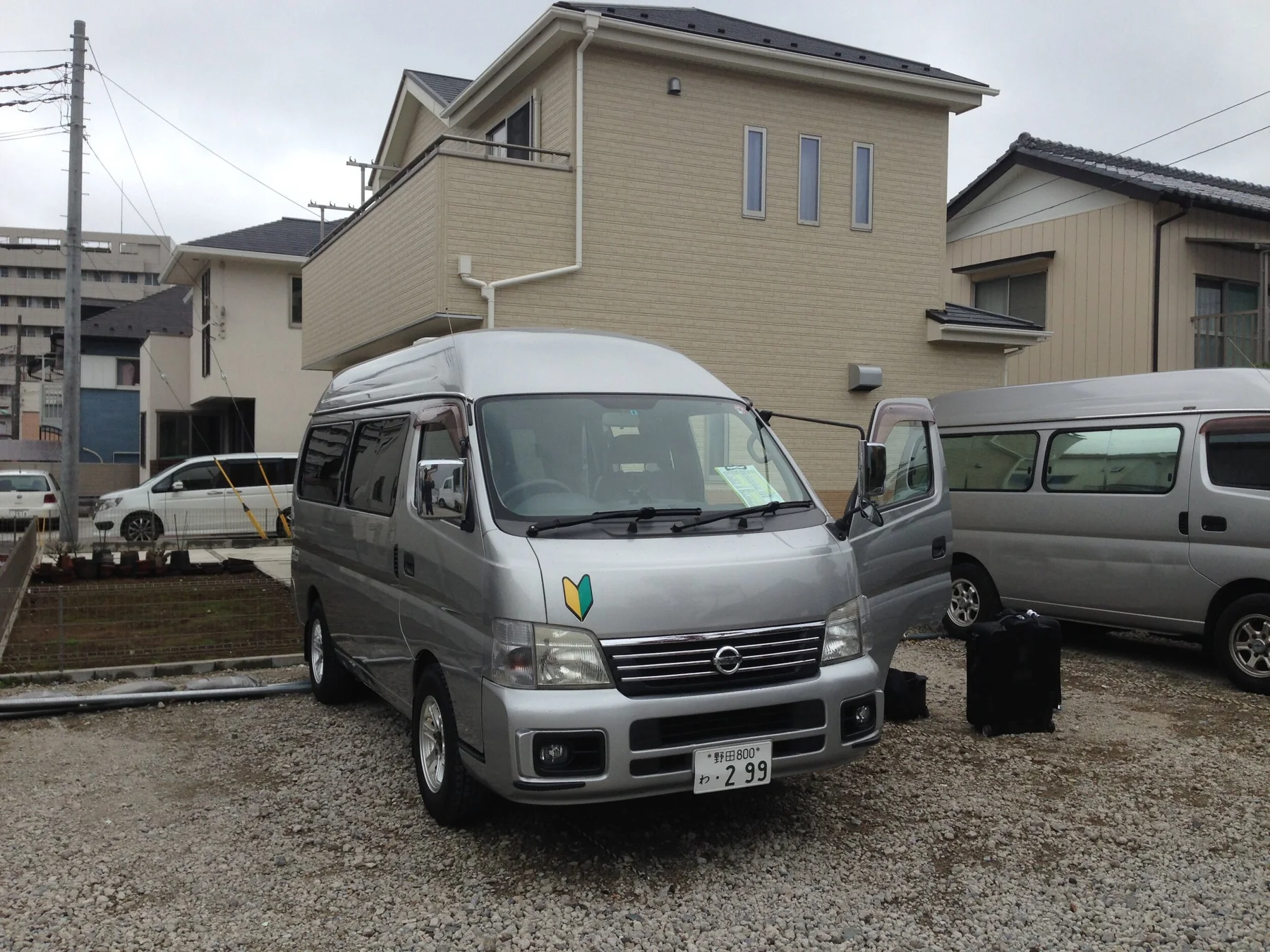
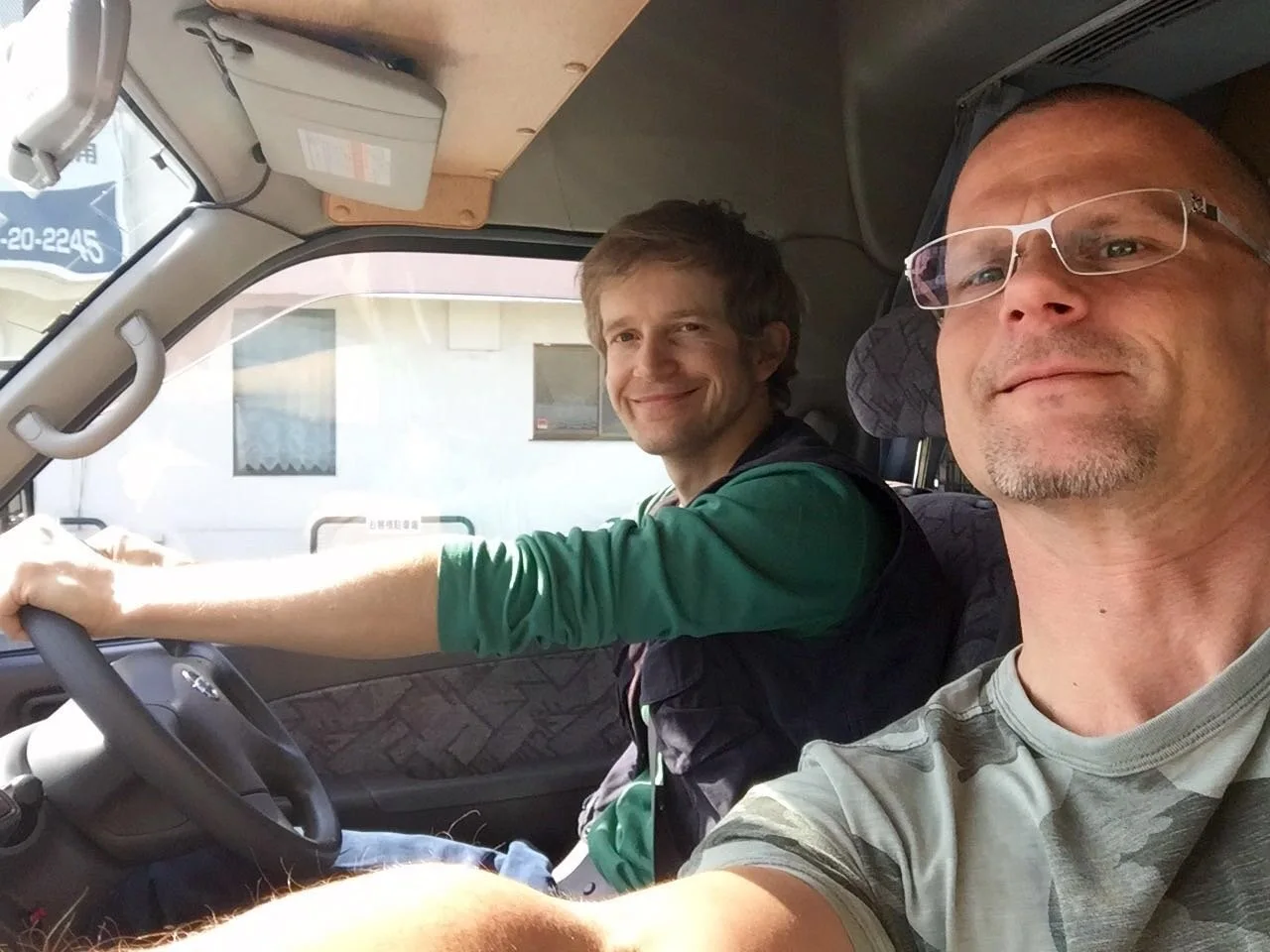
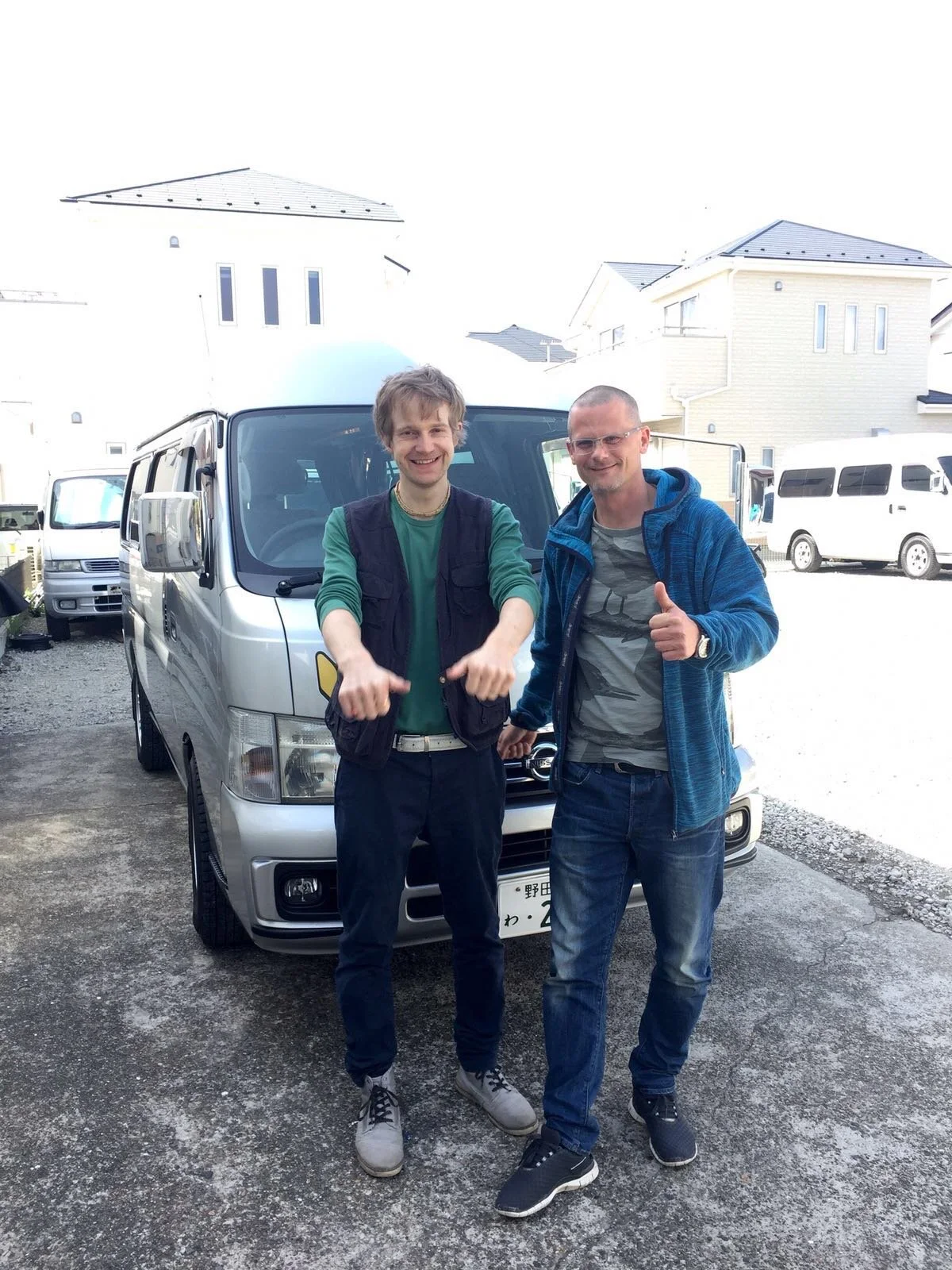
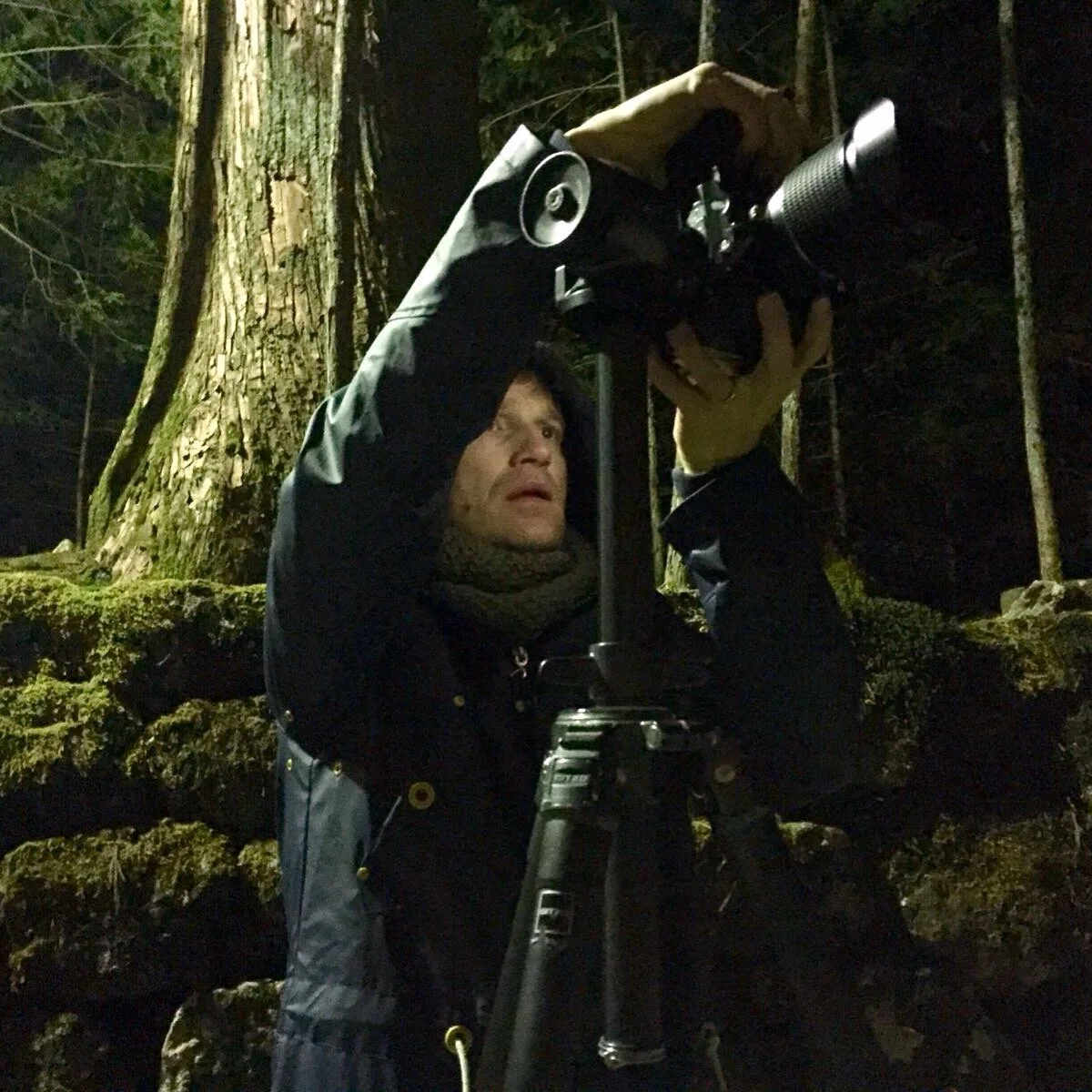
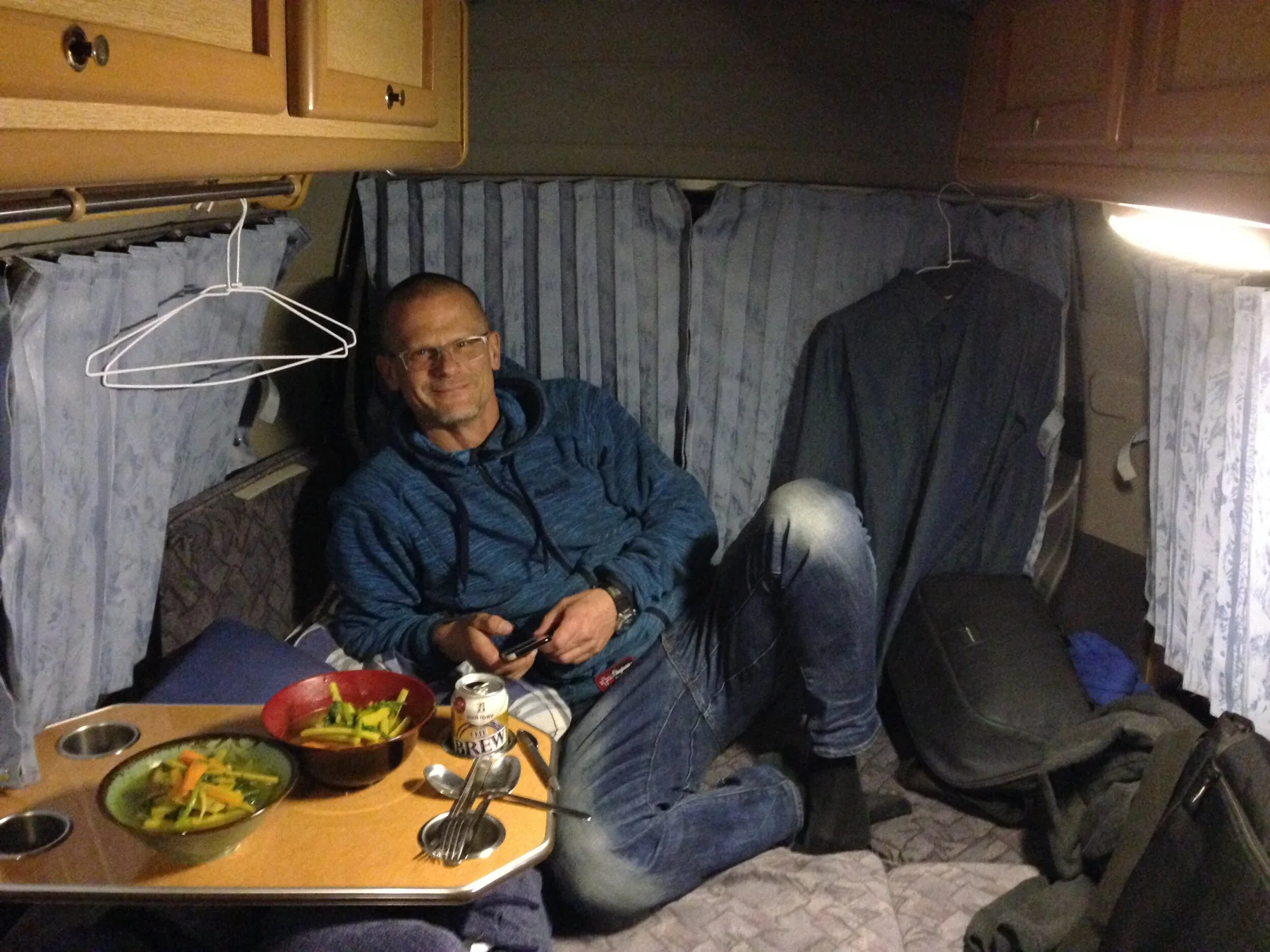

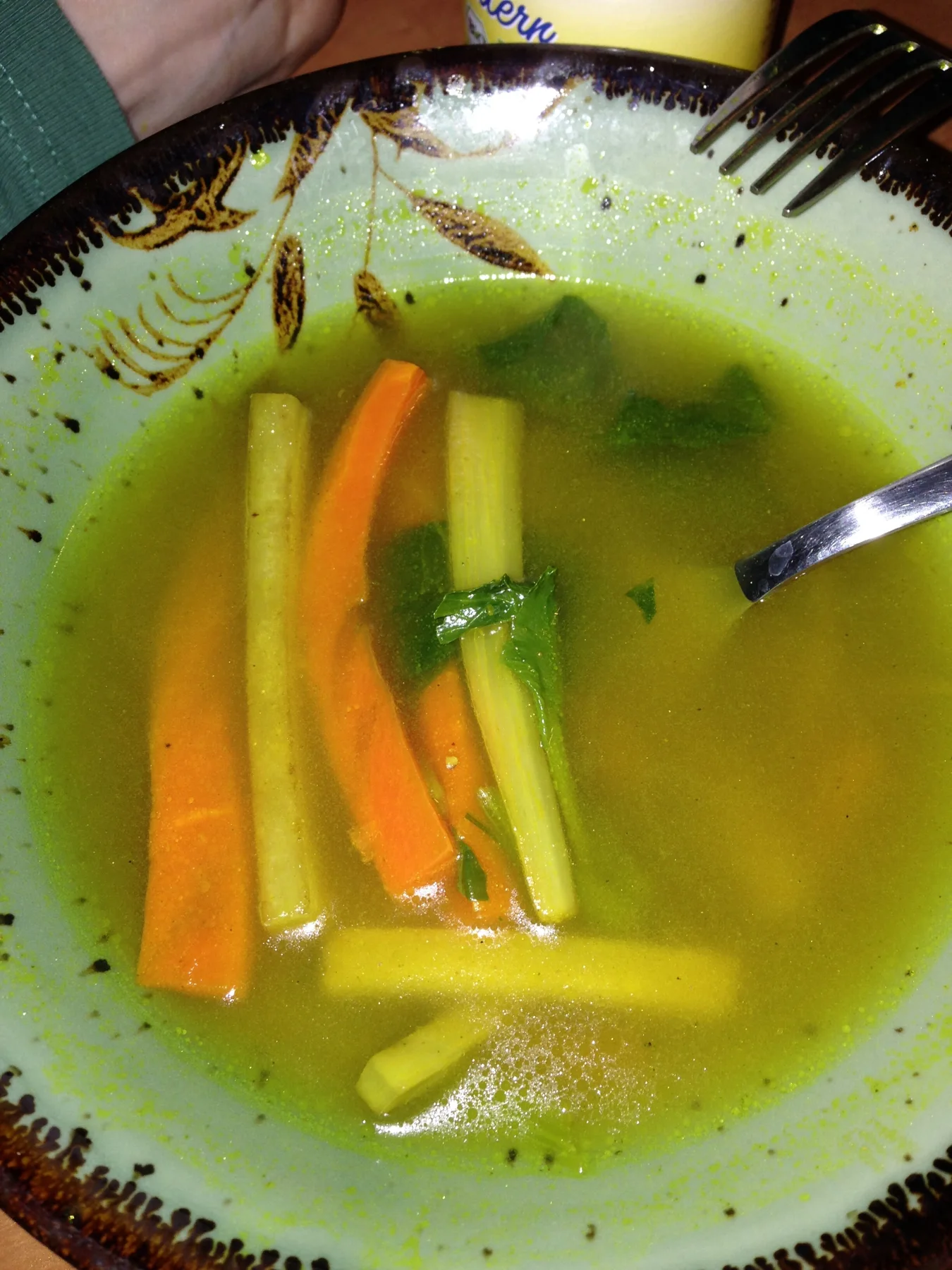
Arriving in Tokyo early in the morning, we went directly to our “Camper Van” landlord to move into our mobile accommodation.
The earthquake that shattered the earth on the same day in Kumamoto in the very south, we also felt in Tokyo.
Our pre-planned route was somewhat confused by this, especially because of the damage to the roads, which were partly insurmountable obstacles for our Nissan van (with small kitchen).
It's a good thing that we're both pretty straightforward and good friends, because there's not much room for privacy on a month-long tour in this little vehicle. And it worked...
The first few kilometres on the outskirts of Tokyo heading north to Nikko were exciting, but we quickly relaxed. We drove comfortably across the countryside, past cottages and farming, and bought vegetables on the side of the road to provide for evening cooking.
We'd have to get used to the left-hand driving first, and because I did better than André, I took over the wheel quite quickly and André was able to watch the landscape as a passenger, so we both enjoyed the ride.
After about three hours of driving, we arrived in Nikko in the evening, reached the parking lot, toilet in sight. But what about showers? This was a topic we had discussed before departure, and it was clear: in Japan, there are public bathhouses called onsen in every city and every village.
The first thing we did was we unpacked the cameras and the tripod, and then we went out to explore, and a famous Shinto shrine was the first target.
The atmosphere in this ancient world, surrounded by old trees and buildings, was a great start, at night, and after two hours of sleep, we wake up the next morning with each other's feet on the head, but the sun shines and the trip really starts.
Our navigation system (an iPad mini) with super fast LTE network guided us perfectly to our locations, but with the decisive disadvantage of the extremely fast consumption of data volume, so that we had to sacrifice a morning for various configurations.
Near Nagano, in the mountains, we also had to turn back halfway because the road was closed due to a landslide. Half as wild, we thought – vice versa and from the direction of Kyoto... Arriving there in the evening, our “Park & Sleep” place was on a mountain overlooking Kyoto.
Very impressive, because it was also our first major city, and during the night shooting up there, some residents from Kyoto came to enjoy the view as well.
The next few days (days 5-8) in Kyoto were packed with shots of the bamboo forest and the Fushimi Inari Shrine, and these places, which we visited at night, offered us a mystical experience, and we slept again in a parking lot right next to the temple.
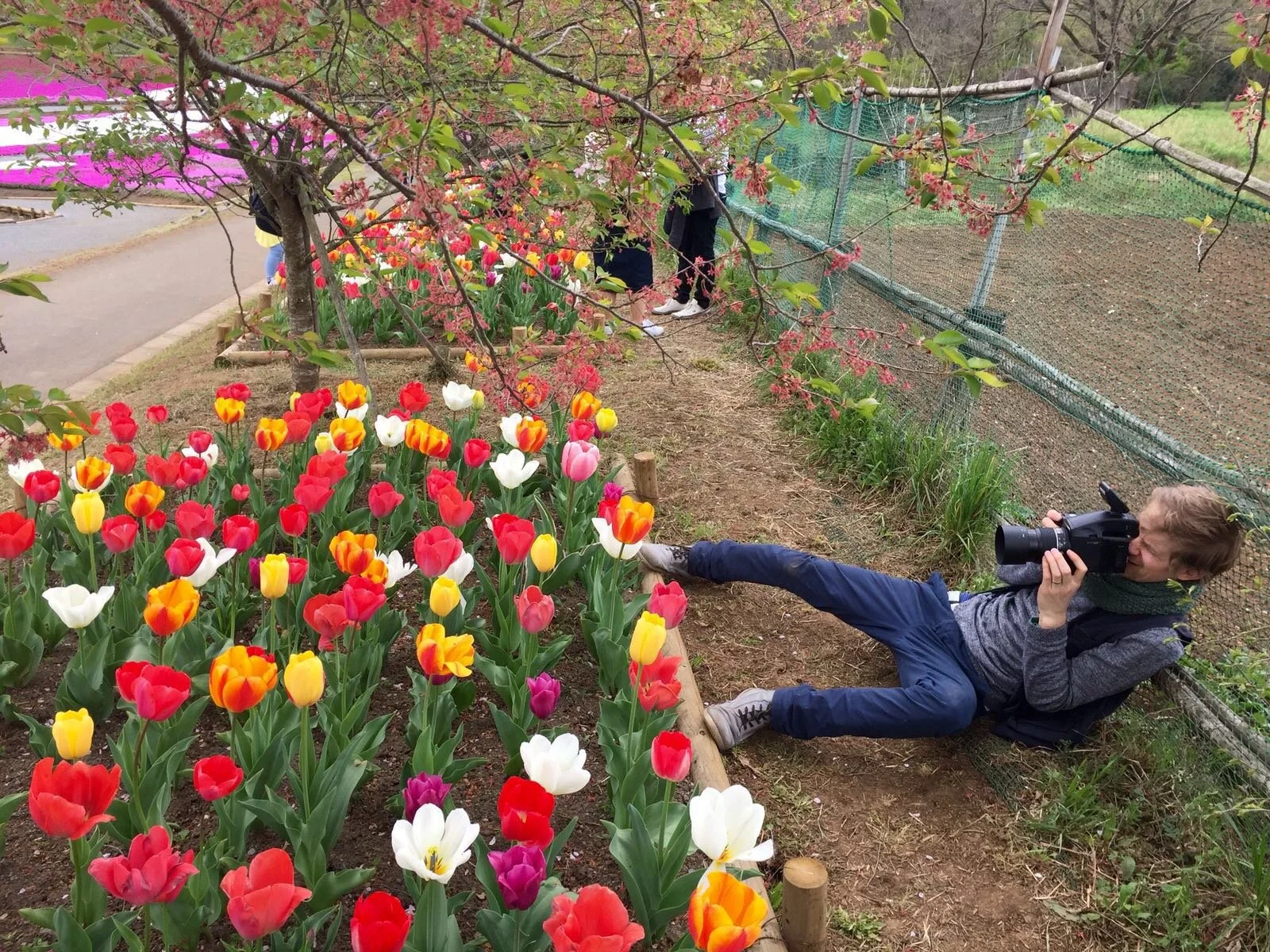
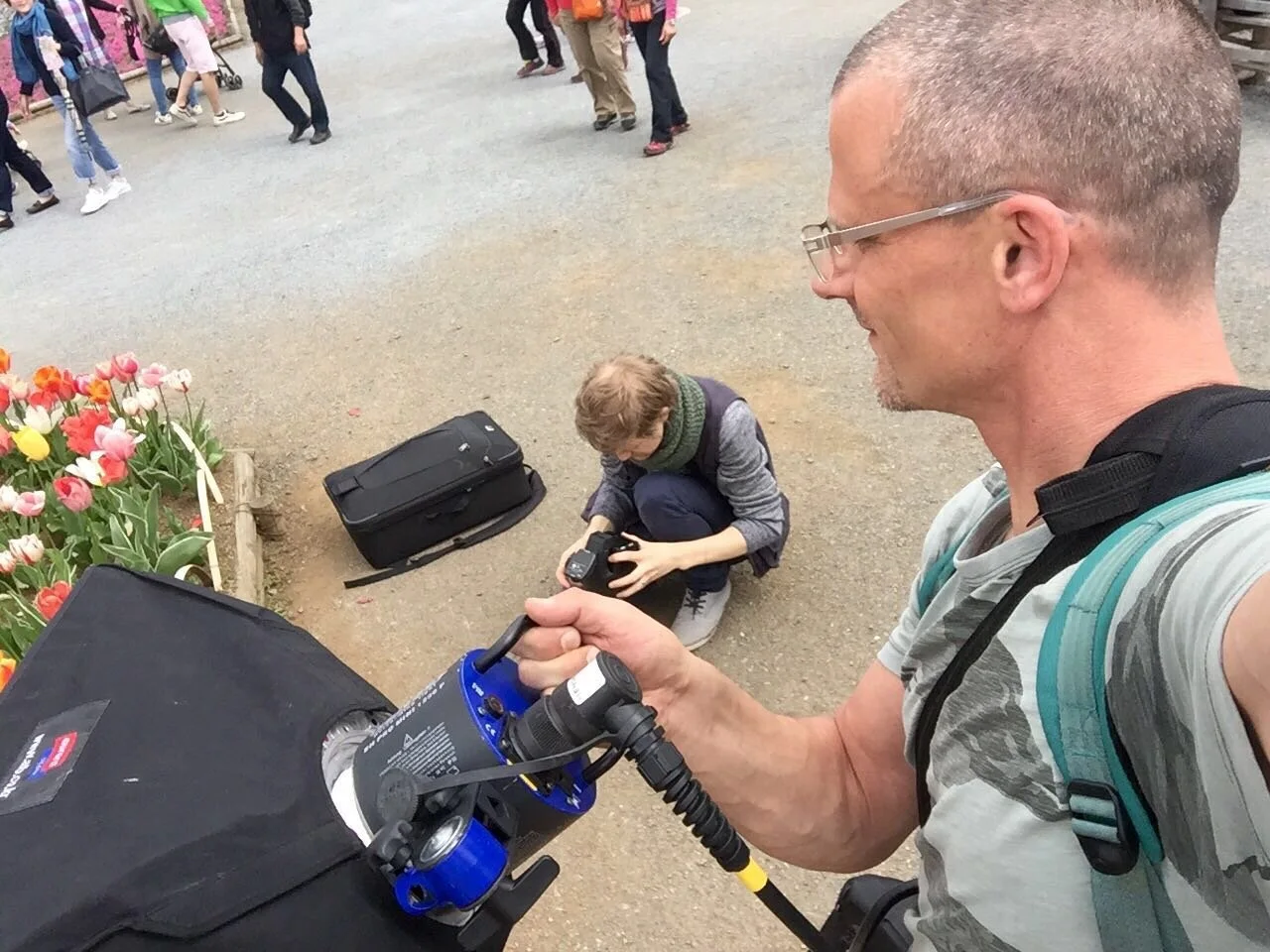
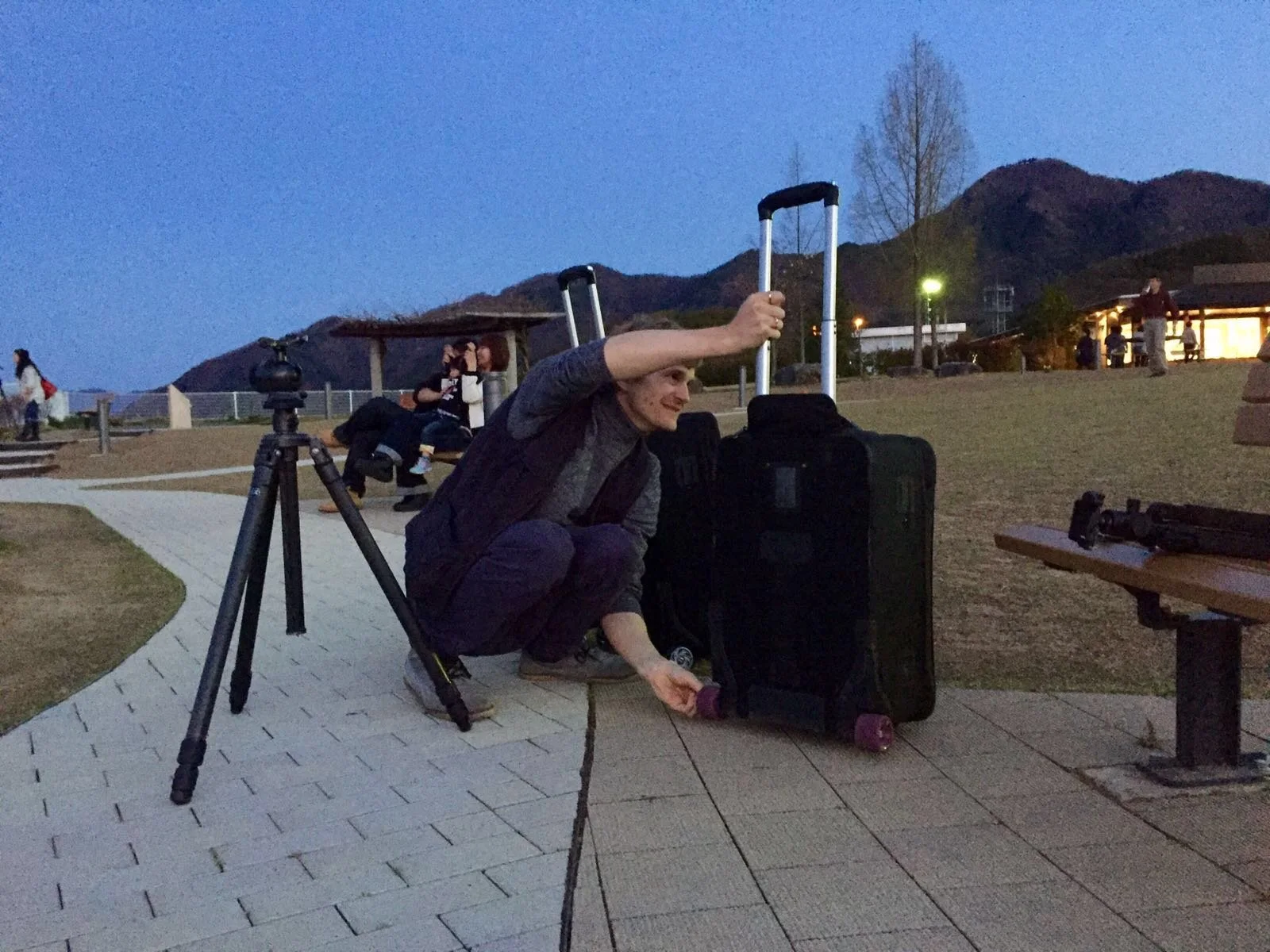
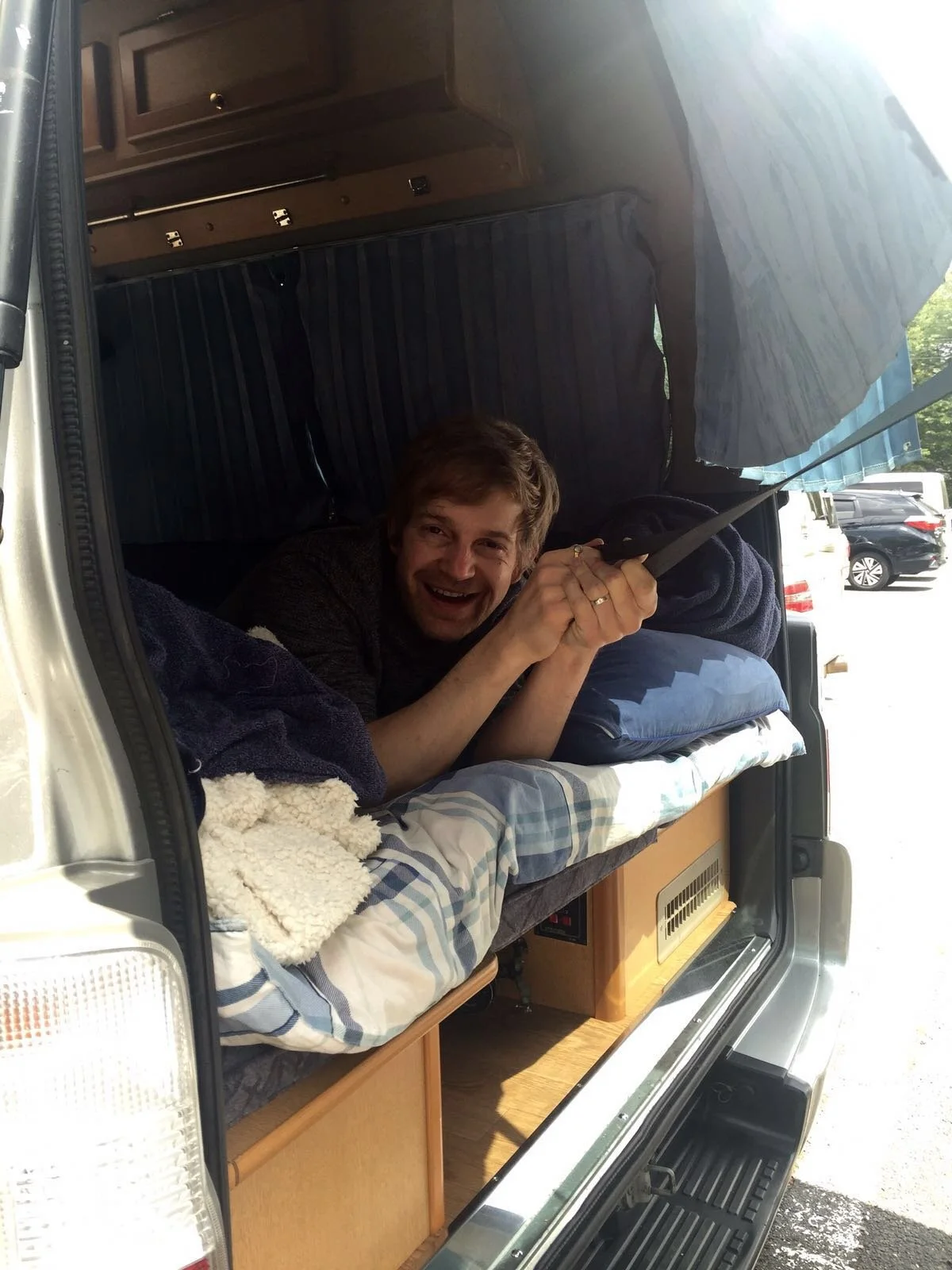
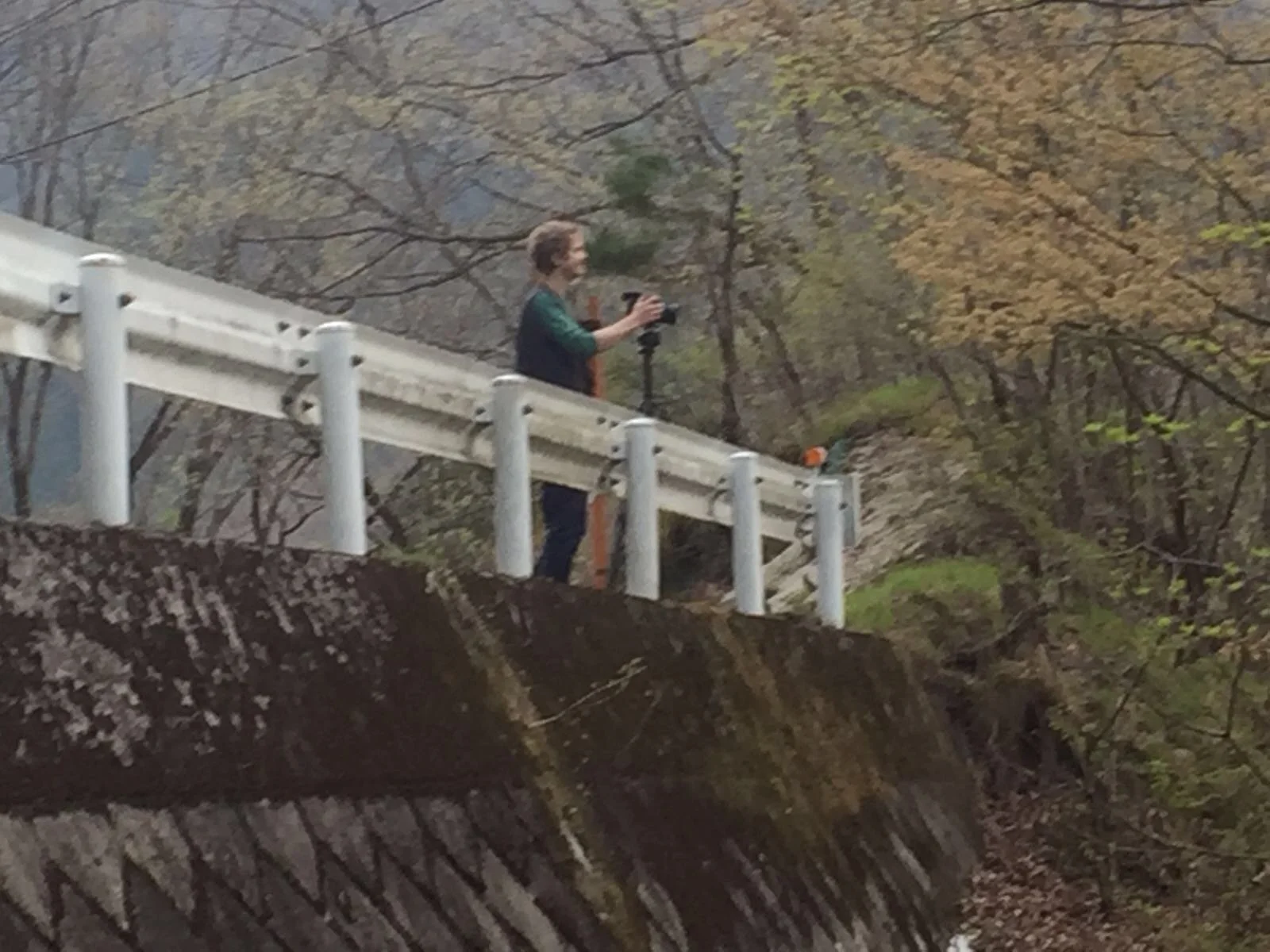
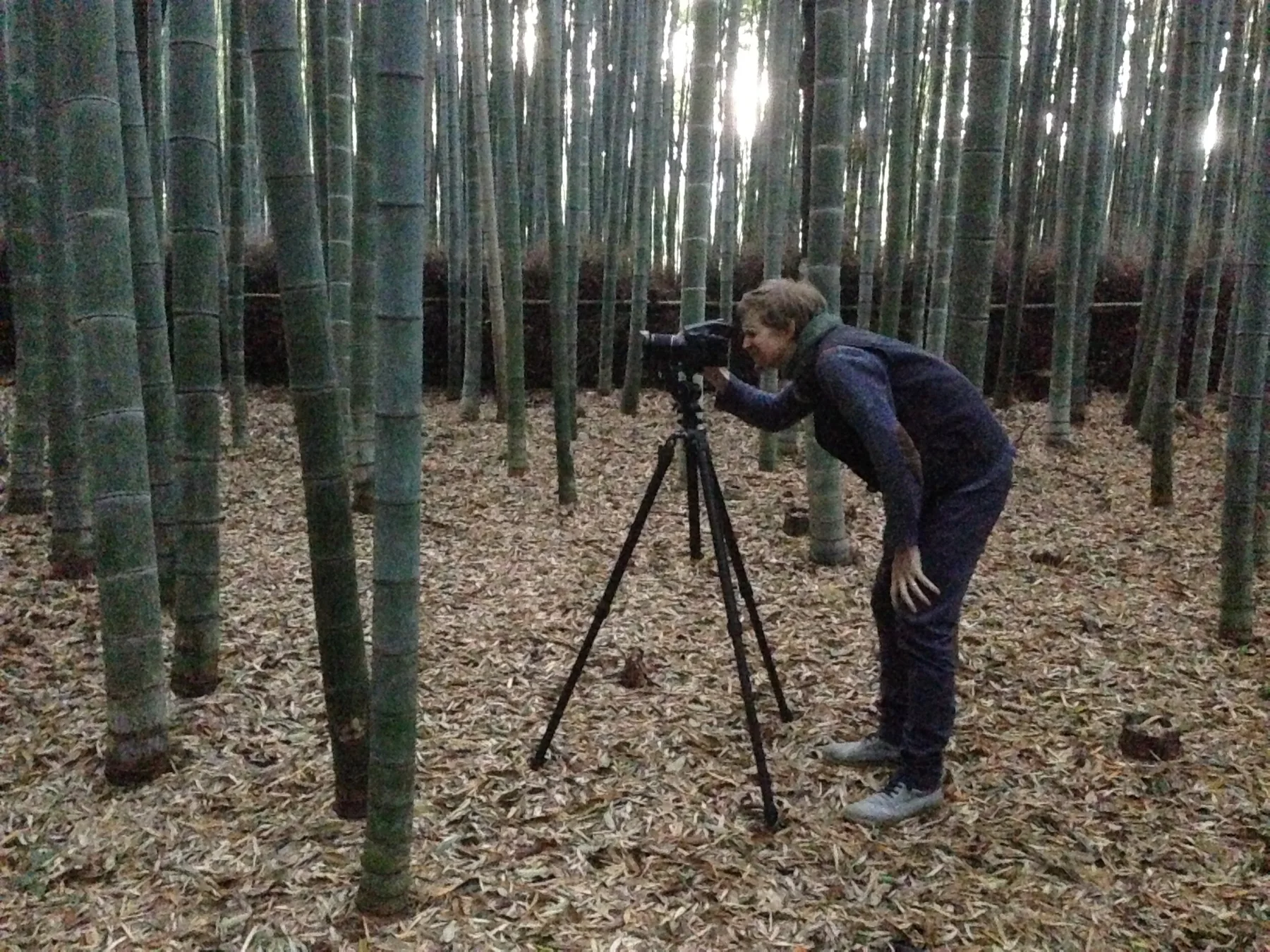
The first onsen visit was unusual: you wash and shave next to each other on a stool, each in one place with a mirror and shower.
What was particularly exciting for me to observe is the fact that in Japan no one with a tattoo is allowed into such an onsen. This has to do with the Japanese mafia “Yakuza”, which are marked with tattoos. So a small towel over the tattooed shoulder and everything was clarified. After cleaning, you can relax in the “Hot Spring” and go to the sauna if necessary.
Editorial note: This personal travel account describes experiences from 2016. Its blanket statements about bathhouses in every locality and a nationwide tattoo ban are not generally applicable rules. Admission policies vary by establishment. The Japan National Tourism Organization (JNTO) cites a 2015 survey showing that some establishments already admitted tattooed guests at that time. JNTO information on onsen and tattoos.
Then on the 8th day the Nikon D800e in the middle of the bamboo forest gave up the spirit and I could not film anymore, we had to go directly to the Nikon service in Osaka. That was the plan anyway, but actually two days later.
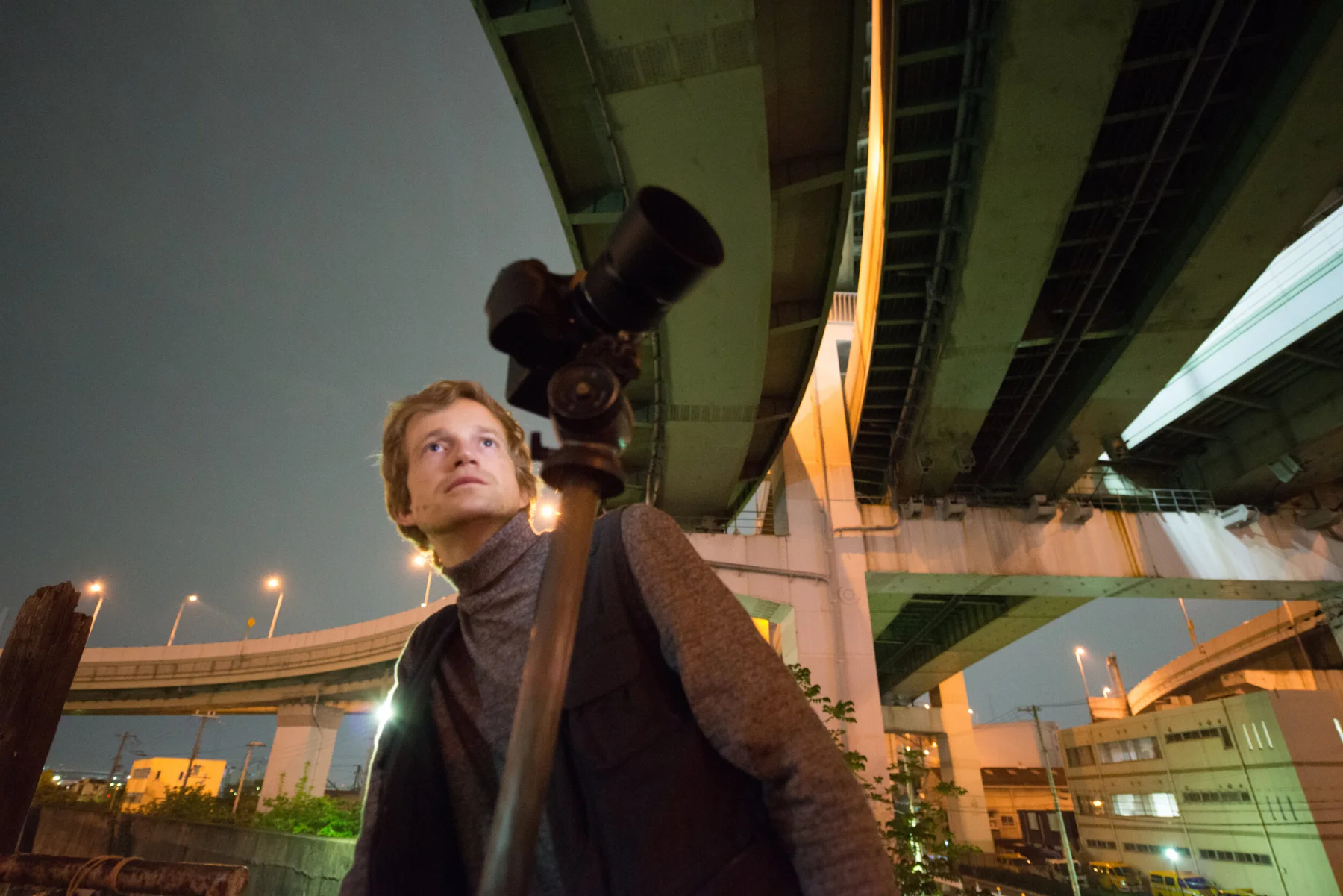
This rather large city should then also be attuned to Tokyo. The roads, called Overflys, made a very impressive impression and provided great motifs.
From Osaka we drove directly east to Koya San. This area is known for the oldest Buddhist temples and a cemetery with over 250,000 graves, which André then photographed at night.
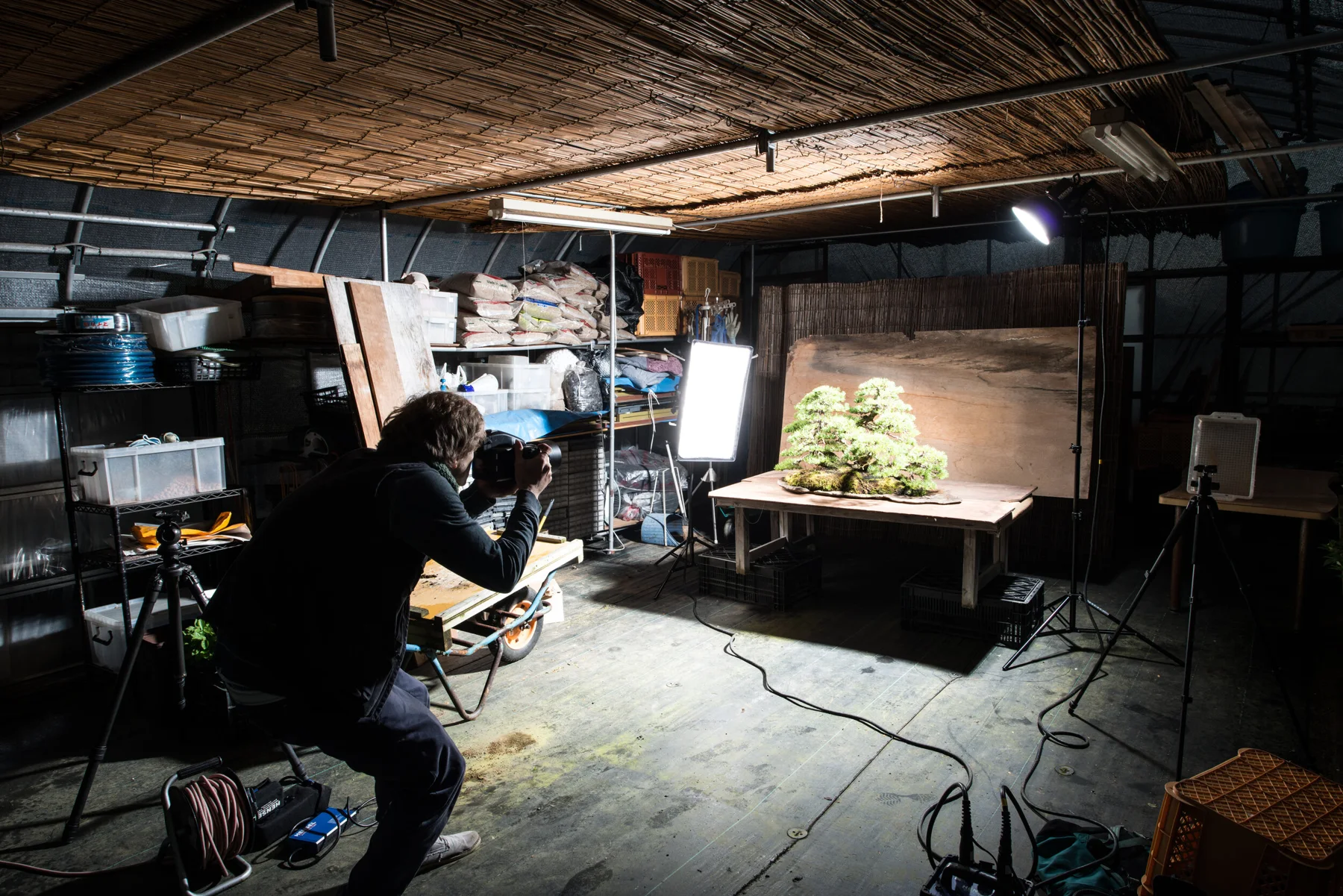
Bonsai
With this bonsai artist, I set up a photo studio all day to photograph his best trees.
We then drove a little further south via Osaka to visit bonsai gardening.
That fit well into our program on a rainy day. Fortunately, we also met a nice one there.
Businessman and photographed with him for a day very valuable bonsai trees in Kokubunji.
After a 10-hour drive towards Tokyo, we spent the night at Mount Fuji, which unfortunately was totally covered in clouds, but hope dies last. Instinctively, André wakes up at three o'clock at night and lo and behold, cloud-free and in full moonlight. We're thrilled!
The next day we visit the nearby Aokigahara forest. The atmosphere was strange and cool, but the natural surroundings were all the more impressive.
Editorial note: The original version included an unverified total number of deaths and speculation about their causes. These statements have been removed.
The first night in Tokyo drew us like a pull, it's just indescribable. In Shinjuku, a shopping district with an absolute abundance of light, light advertising and shopping malls, we were on our way into the night in the evening. The next day was similar, street shots in the manga district of Akihabara. In the evening, however, it was enough for us with Tokyo. Too much input, fed up with the overpriced parking lots and missing nature, we drove out to the countryside to the largest Buddha statue in Ushiku.
After a short detour to Fukushima, laundry and onsen visit, we continued south via Tokyo to Kamakura, a holiday and surfing area, where we photographed another bamboo forest, and I finally got my hair cut and we drove on in the evening to find an overnight place with a toilet - unfortunately missed. After a felt eternity, we found ourselves resigned again in the parking lot of a restaurant on the highway.
After almost 5,000 km "On the Road" we finally came back to Tokyo and visited a Hindu temple where we get our favorite food: Indian. Delicious!
André Wagner https://www.andrewagner.com Previous